
Business incubator program provides community and inspiration
BACKGROUND
This case study explores how Ontario’s business incubator program is serving early stage entrepreneurs, focusing on the experiences of two graduates: Michael Lim and Eric Chaffey. The incubator program is a component of Ontario’s broader Small Business Support Program, which through the use of leveraged funds aims to expand economic opportunities within the TCC project area. For more on the Small Business Support Program, see page 77 of this report.
Interviews for this story were conducted in August 2020.
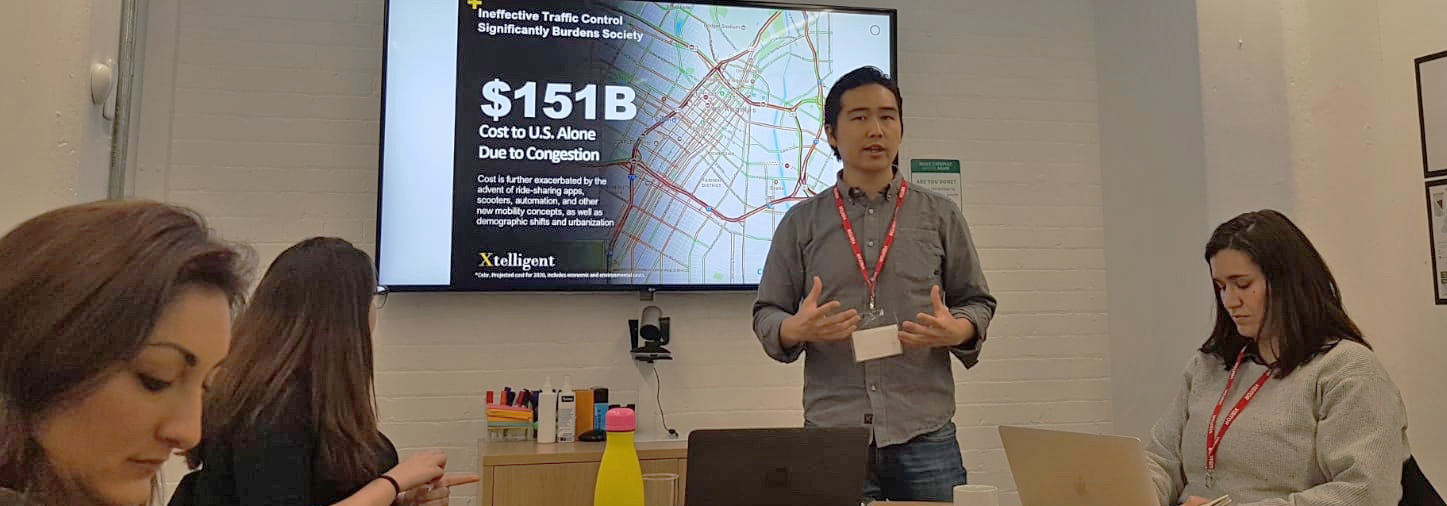
MICHAEL LIM is co-founder of Xtelligent, a transportation technology company that replaces outdated traffic signal systems with more intelligent technologies. The company uses the latest research in network control and artificial intelligence to lay the groundwork for safe integration of multimodal transportation and automated vehicles. Until recently, Lim’s entire operation has been based out of Los Angeles, but he has since expanded Xtelligent’s presence to Ontario to take advantage of the city’s suite of services for entrepreneurs in the e-commerce and logistics sector.

The primary benefit of being part of Ontario’s ecosystem is access to city staff who are willing to work with you to pilot new technologies.
Lim’s relationship with the City of Ontario began in November 2019, when he joined the first cohort of entrepreneurs to go through the business incubator program. The purpose of the program is to help early stage entrepreneurs take meaningful steps toward developing their ideas into viable companies and ideally extending work opportunities to Ontario residents along that journey.
The incubator program is structured according to a series of learning modules that cover the basics of early business development, such as stakeholder discovery, assumption testing, and risk assessment. The program also provides a platform for peer-to-peer learning and partnership building opportunities. Lim found that latter component to be most beneficial, as his business model requires buy-in from local governments and delivery service companies.
Once the pandemic hit, the program’s weekly in-person sessions moved to a virtual format and the curriculum was modified to include sessions on how businesses could help with the response to COVID-19. That shift has challenged Lim to think about how Xtelligent can help make the transportation sector more resilient to emergencies. For example, when there’s a greater demand for emergency response vehicles, such as ambulances and fire engines, then Xtelligent’s signal systems could give emergency vehicles priority at the intersection so that they don’t have to run a red light, with all the safety hazards that presents.
The program helped broker private and public sector partnerships that can provide guidance and support, particularly to identify the problems that our technology is well suited to address.
The incubator facilitated conversations about how to turn lemons into lemonade, about how to pivot one’s business model to be more aligned with the new normal and still add value.
After completing the incubator program, Lim plans to focus on solidifying partnerships that were born out of the program, and then hopefully roll out Xtelligent’s traffic signal technology directly in Ontario. Lim is also interested in exploring Ontario’s talent pool and potentially recruiting support staff for Xtelligent. Ontario Together’s Workforce Development Plan (WDP) works synergistically with the incubator program in this regard, as the former serves to create the qualified labor force for the latter.
ERIC CHAFFEY is another entrepreneur who was attracted to Ontario’s incubator program to flesh out his business idea. While working as a delivery driver on several different web-based platforms, Chaffey saw a need for a business intelligence product to help drivers optimize their work schedules and routes, thereby minimizing their vehicle miles traveled and maximizing their take-home pay. New to the transportation technology arena, Chaffey saw the incubator program as a way to get constructive feedback from other entrepreneurs who may have tried and failed at similar ventures.
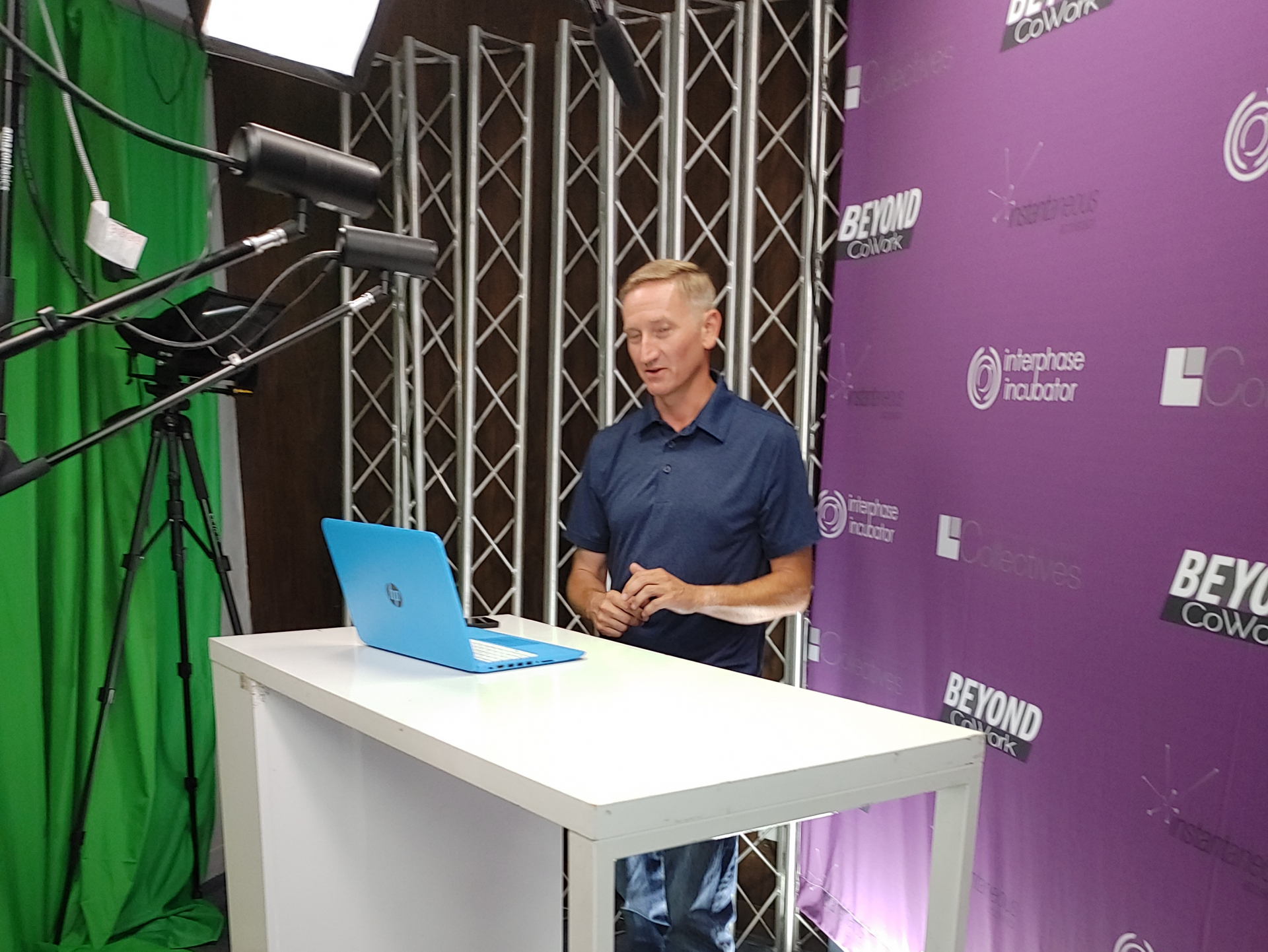
When you’re in an environment like the incubator program, with like-minded people who are very passionate about their product or their idea, it’s encouraging and enlightening.
The stressors of the COVID-19 pandemic made Chaffey particularly grateful to be part of the incubator community. The weekly interactions with his peers kept Chaffey motivated to keep working on his product, and the incubator program’s emphasis on innovation and resilience inspired Chaffey to take his idea in new, but complementary, directions.
Now that he’s graduated from the incubator program, Chaffey hopes to enroll in Ontario’s accelerator program once he’s done refining his business model. The accelerator program augments the incubator program’s curriculum and helps entrepreneurs start the process of commercialization. Chaffey also plans to stay connected to contacts he made in the incubator program and potentially join forces on future business ventures.
Being part of the incubator during the pandemic made me think about developing a way for drivers to be more active in their local community, like delivering PPE or disinfectant to those who need to it.
Top page photo:
Michael Lim, incubator program graduate, presents to transportation experts in February 2020. Photo credit: CoMotion Ontario