
Community engagement builds capacity and buy-in for shared electric bikes and cars
BACKGROUND
This case study explores how TCC funding for community engagement can develop local leadership and support for infrastructure projects. Specifically, the story highlights the community engagement strategy for Fresno’s Clean Shared Mobility Network through the lens of two Fresnans who have been empowered in different ways through the process. For more on the network, see page 72.
For more on Transform Fresno’s Community Engagement Plan, see page 49. Interviews for this story were held in August 2022 and January 2023.
KESHIA THOMAS is a Fresno native. Her educational journey began with Fresno Unified School District and continued on to California State University, Fresno. Now, she represents her community as an elected member of the school board.
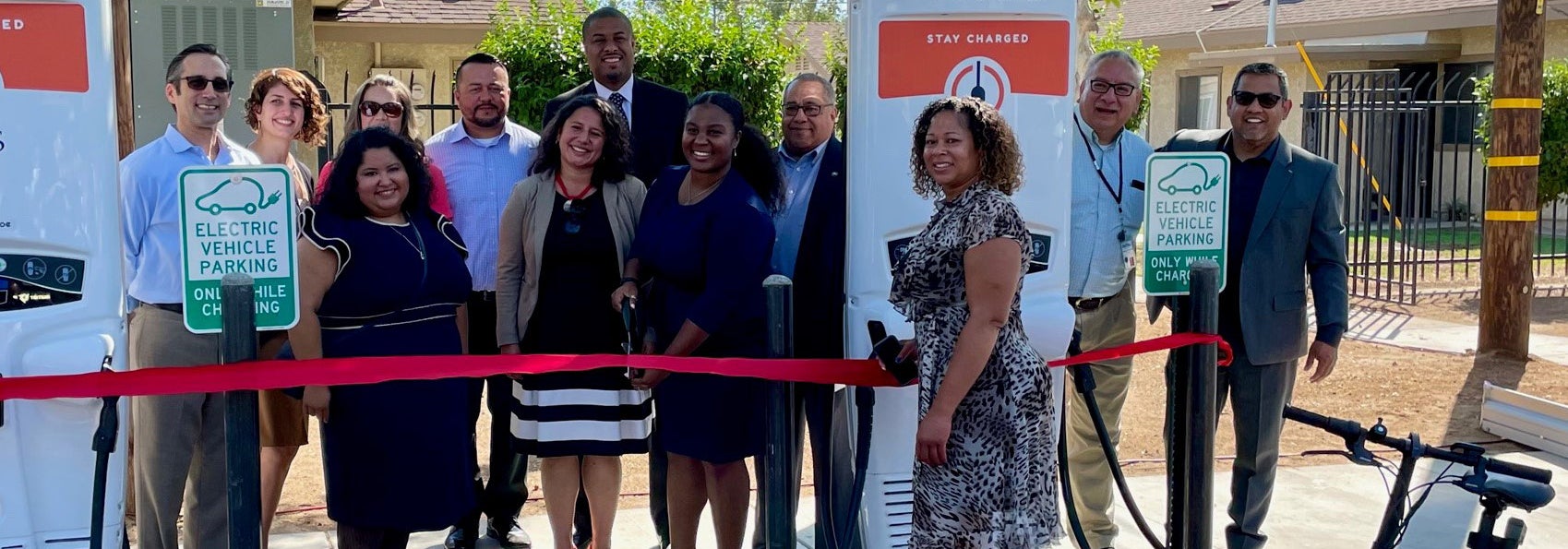
Thomas also heads the Fresno Career Development Institute, a nonprofit targeting low-income West Fresnans. The institute leads community outreach for the Clean Shared Mobility Network. As the project prepares to launch the f irst wave of rentable electric vehicles — 200 bicycles and 40 cars — Thomas and her team are advertising what’s coming and how it can help Fresno residents, while gathering feedback to ensure the project is based on the actual needs of the community.
At first, Thomas said, people thought the program was a sales pitch for pricey electric cars. But when it became clear that Transform Fresno was providing vehicles to borrow for prices as low as 15 cents a mile, people began to get excited.
One way that Thomas’ team builds support for the project is through community events, where the electric cars and bikes are on display for residents to see. These events not only help people to learn about the Clean Shared Mobility Network, but also provide opportunities for community members to come together, have fun and enjoy free food.
“We do events where we put the bikes and cars on display, and we have people come out from the community. We might have a backpack drive or an Easter party in the park — but this is all centered around the project and building community,” she said.
Thomas emphasizes the importance of listening to those who know the community well — who both understand community needs and can represent people’s honest feedback on the project. When people have concerns, she said, “it’s my job to have a conversation with them and find out why so that their voice can be heard. People give us their honest input.”
Working with TCC and Transform Fresno has brought new professional opportunities to Thomas, from the influx of funds to her organization to personal networking and development. She has developed new relationships that help her understand her community even better.
Everything that I do, live, and breathe is Fresno. Being a part of this has expanded my knowledge of how other community members feel about what Fresno needs to thrive — and it’s also expanded my Rolodex.
Conducting outreach for the Clean Shared Mobility Network has expanded Thomas’ professional toolkit by enabling her to test new engagement strategies. She has piloted several innovative modalities to reach members of her community, from a youth ambassador program that hires local students to support engagement activities to an electric bike club that will launch in the fall. And she has more ideas, including a school program to train students for the jobs the program could create, from managing the cars and bikes to conducting community outreach.
GERALDINE EZENWUGO was born and raised in Fresno and has always been an active member of her community. From age 12, she has been a part of a local church where she now serves as a minister and teacher. Beyond the church, Ezenwugo volunteers to help unhoused Fresnans get back on their feet, and she is a trustee for the neighborhood watch.
Ezenwugo first heard about TCC and Transform Fresno from Keshia Thomas, through her team’s outreach efforts. Thomas brought the Clean Shared Mobility Network to Ezenwugo’s apartment building in the form of food and fellowship: She hosted a community meeting to help residents learn about the electric vehicles that would soon be available near the building.
Although the meeting was on Zoom, Thomas arranged for the residents attending the meeting to join together in their building’s community room, providing a full spread of fried chicken, potato salad, rolls and more. For Ezenwugo, having the gathering in her building was very helpful — at the time, her car was out of commission, and she couldn’t easily attend meetings in other locations. While she could have joined on Zoom, the physical gathering provided food and connection to neighbors.
Going into the meeting, Ezenwugo knew nothing about electric cars. “I’ve never been in one of them. I thought they were too expensive for me,” she said. But by the end of the meeting, she was excited. “I’m gonna drive this. I’m gonna be the first one. I can’t wait to get behind the wheel.”
Thomas’ devotion to the community was clear in her efforts to make the meeting participants comfortable in their own space, provide food and listen closely to their concerns. Ezenwugo knew Thomas from her work with the neighborhood watch, and the presentation confirmed that Thomas cared deeply about the Fresno community. “It was good to have somebody care so much about Fresno. And I enjoyed it — she did a wonderful job making the presentation interesting and answering our questions.”
What concerns she had — such as how the cars would be cleaned and what would happen if someone returned a car late — she shared with Thomas in the meeting. But her doubts were few and far between by the end of the meeting, after Thomas listened to community members’ feedback and reassured them that her team was figuring out how to manage these issues.
Thomas’ outreach also gave Ezenwugo reasons to be excited about the electric car-share program. For one thing, Ezenwugo estimates that she spends as much as $80 per week on gas, so using the cheaper electric cars has the potential to save her hundreds of dollars each month.
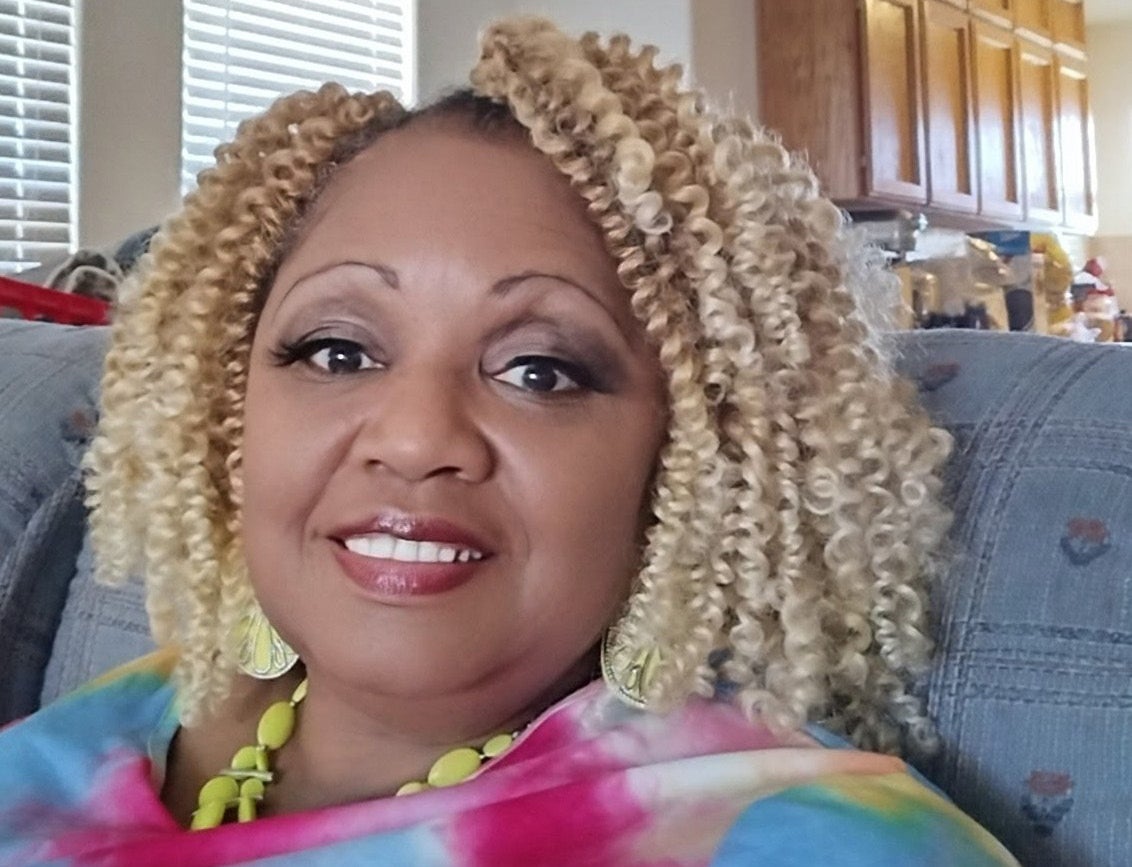
Driving on electricity will cost much less than gas. That’s the main reason I’ll use them.
The program will also provide another option for Ezenwugo to get around if her car isn’t running properly. And Ezenwugo also values the health benefits of the project, which will be realized through reduced tailpipe pollution from fewer gas cars on the road. “I was drawn in because I’m an asthmatic. I see that we need to clean up our air. So, I want to help ensure that organizations are keeping our air clean.”
Looking forward, Ezenwugo says she will also use the cars to get around town to interview people for a new book she is writing. Knowing that her car could break down and that she can save money on gas, the easy, low-cost electric rental cars will allow her to pursue her goals uninterrupted.
Top page photo:
Keshia Thomas celebrates new electric vehicle charging infrastructure installed at an affordable housing site in southwest Fresno. Photo credit: Fresno Housing.