
Grassroots engagement model empowers residents to serve as local leaders
BACKGROUND
This case study examines how TCC dollars are supporting resident-led community engagement around health and climate action through the lens of three individuals at the forefront of Ontario’s Community Engagement Plan (CEP): Nora Beltrán, Beatriz Castro, and Rosalba Martínez. Their approach to engagement leverages much of the programming piloted under the Healthy Ontario Initiative (see page 75 of this report). For a full summary of Ontario’s CEP, see page 50.
Interviews for this story were conducted in November 2019.
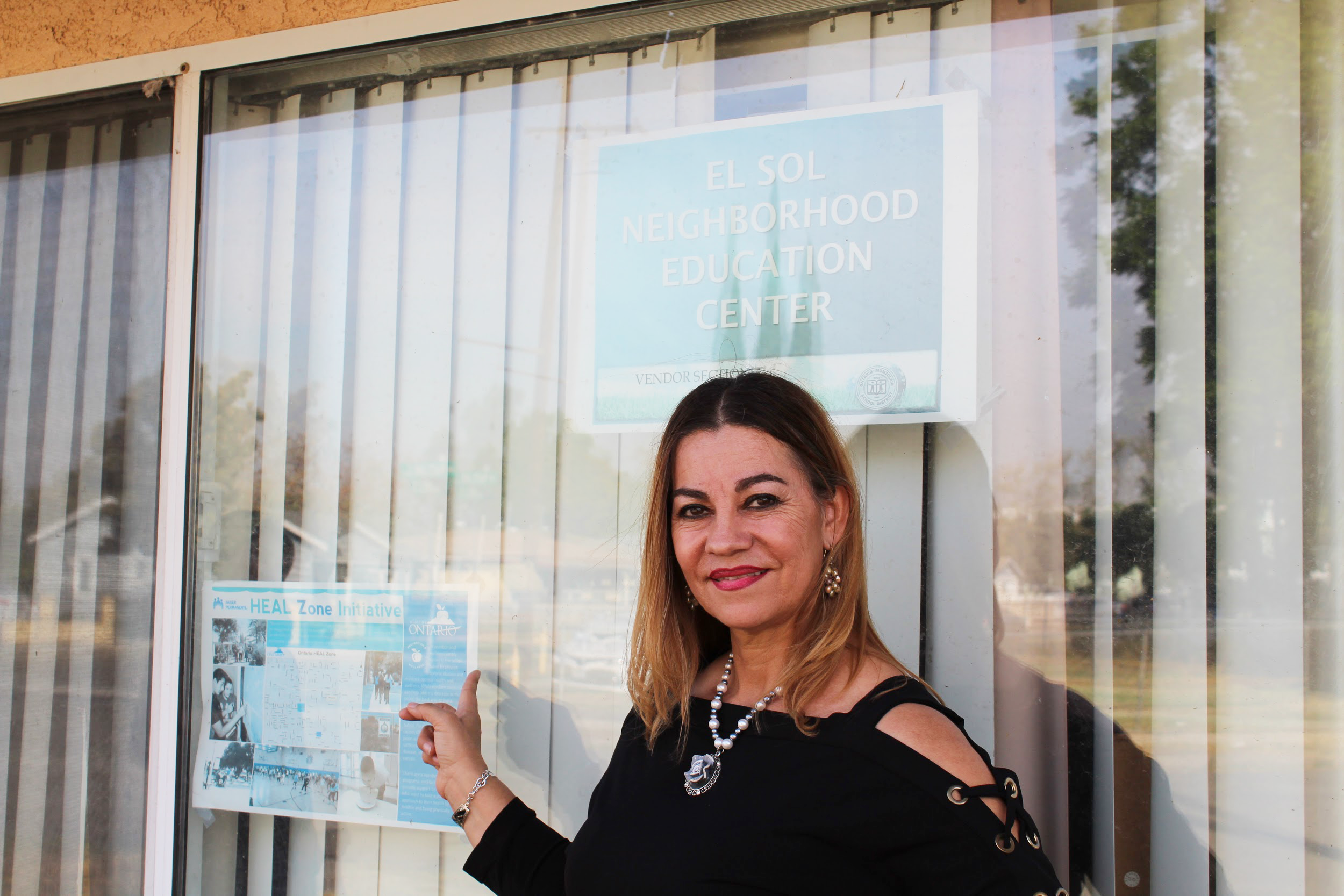
NORA BELTRÁN wears a number of hats in Ontario. She is raising two daughters, teaches Zūm Up! classes that combine Zumba© instruction with leadership skill building, serves as a resident leader, and coordinates health programs at El Sol Neighborhood Educational Center, a local nonprofit. In her latter position, Beltrán is tasked with recruiting community members for paid, part-time positions as resident leaders, a position that Beltrán also holds herself. Resident leaders function as community health workers who motivate and educate Ontario residents to maintain active and healthy lifestyles. Using their communication skills and social networks, resident leaders also assist with TCC community engagement. As part of that work, resident leaders are collecting feedback about the rollout of TCC projects, which they report back to the TCC Trustees, Ontario Together’s grant governance body.
I recruit from the community — someone I saw in a Zūm Up! fitness class, someone who came to a forum, someone who really knows the needs of the community and is invested in the work we do.
In recruiting resident leaders, Beltrán looks for local residents who have a demonstrated passion for community engagement and health education. The Social Impact Artists, the lead partner for Ontario’s community engagement plan, then helps pay for residents to obtain educational credentials that support their work. The Social Impact Artists also coordinates certifications of residents to teach fitness and nutritional classes.
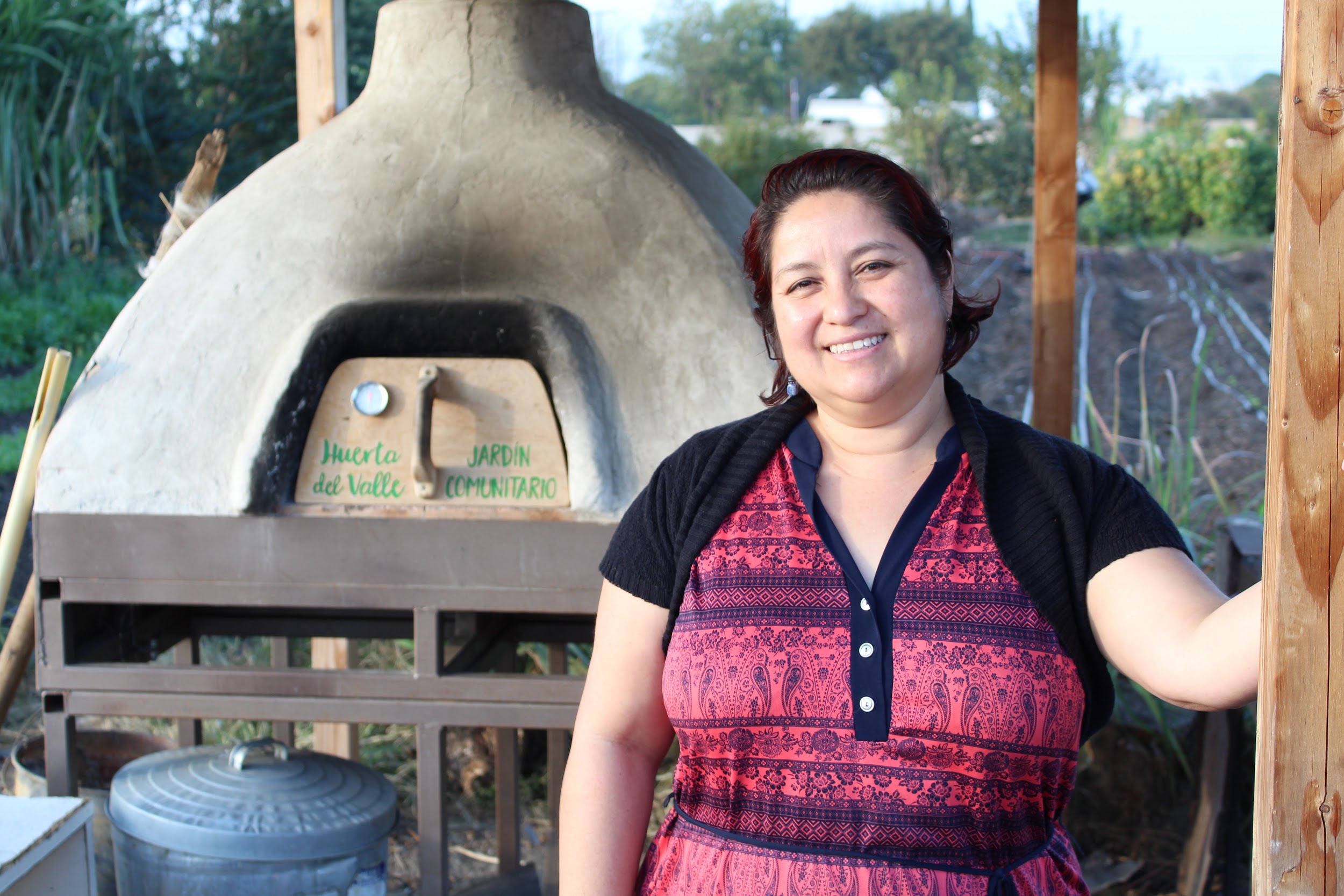
BEATRIZ CASTRO is an Ontario resident who was recruited by Beltran to serve as a resident leader. Castro, a mother of four, moved to Ontario from Mexico about 20 years ago. As her children grew older, Castro began to suffer from feelings of isolation and depression. She started attending one of Ontario’s free Zūm Up! classes to connect with other women. Inspired by the instructor and her own transformation within the class, she received a Healthy Ontario scholarship to get certified as a Zumba© instructor, which sparked her broader interest in health and wellness. In 2018, Castro received a Community Health Worker certification from Loma Linda University and began working as a Clinical Community Health Worker. The next year, she was certified as a Plate Nutrition Health Coach.
As a resident leader, I don’t just inform the community about local resources, I also provide emotional support. These interpersonal connections are what I enjoy most about the job.
Castro credits her training opportunities with providing her valuable communication skills, which she relies upon as a resident leader. Castro explains that many of the people that she encounters in the community need someone to talk to about their feelings, and that those emotions must be acknowledged and validated before she can help motivate any behavioral change. The bonds that Castro has built in the community also give her an intimate window into the struggles of Ontario residents and how Ontario Together can help support and empower residents.
ROSALBA MARTÍNEZ is another resident leader and Plate Nutrition Health Coach, which she juggles with being a mother of two. Her reputation as a health expert comes as a surprise to her because she didn’t graduate from high school, which she thought would prevent her from ever becoming an educator. But when she learned about an adult-centered General Educational Development (GED) program at a health hub in Ontario, she became more optimistic about her future. In 2018, Martínez obtained her GED. The next year, she received a Healthy Ontario scholarship to be certified as a Plate Nutrition Coach.
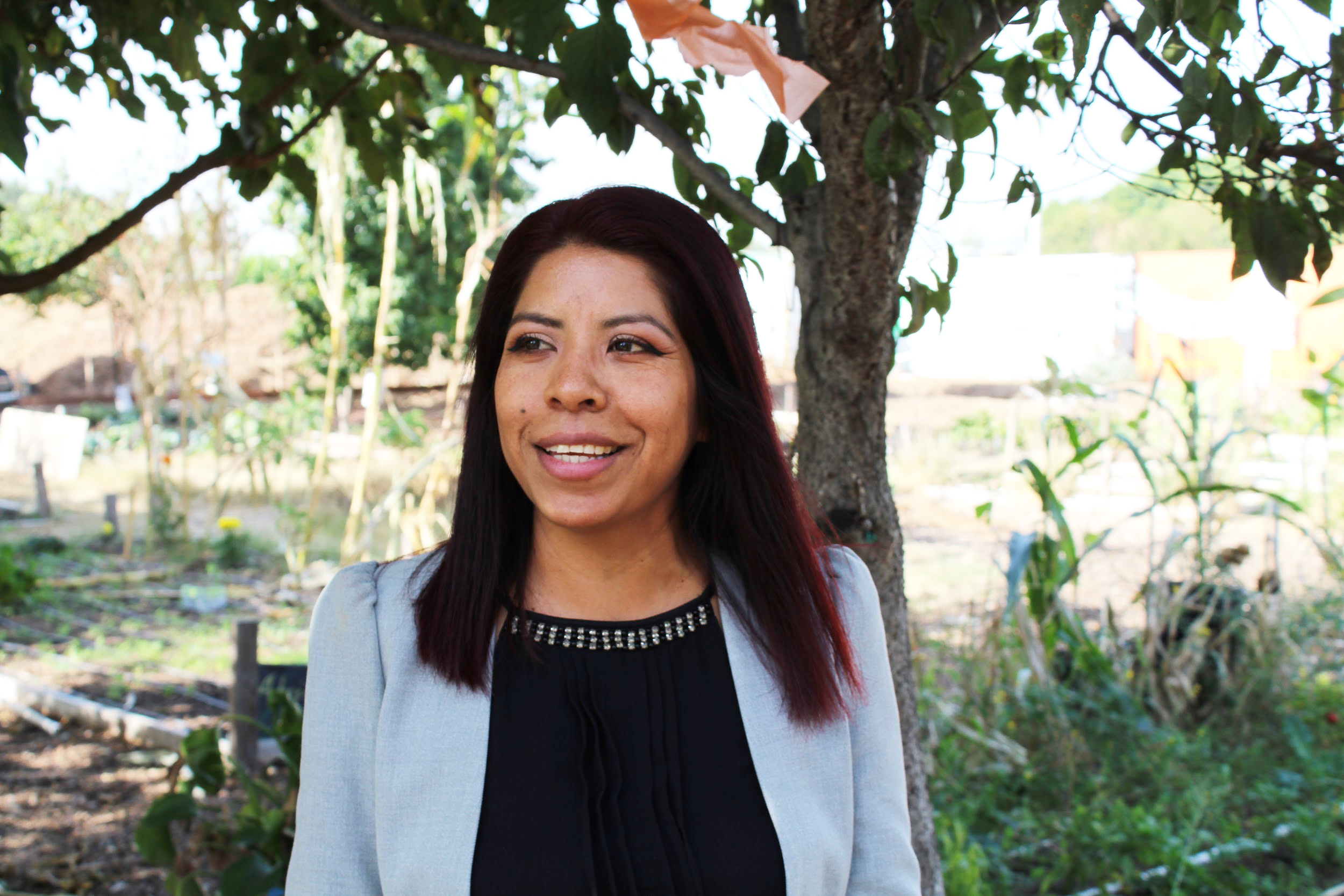
I was encouraged to create my own mode of engagement, so I started a hiking club for people like me — people who love nature, who love to walk, and prefer to do it in the company of others.
Martínez says these credentials have instilled in her greater self-confidence, allowing her to take on more public-facing responsibilities. For example, Martínez recently spearheaded a hiking club as a way to bring more physical f itness and social engagement opportunities to Ontario. The club format provides Martínez an opportunity to have long, unstructured dialogues with other residents. From these conversations, Martínez has collected valuable input from community members about the changes they’d like to see in Ontario and how TCC can support those changes.
Top page photo:
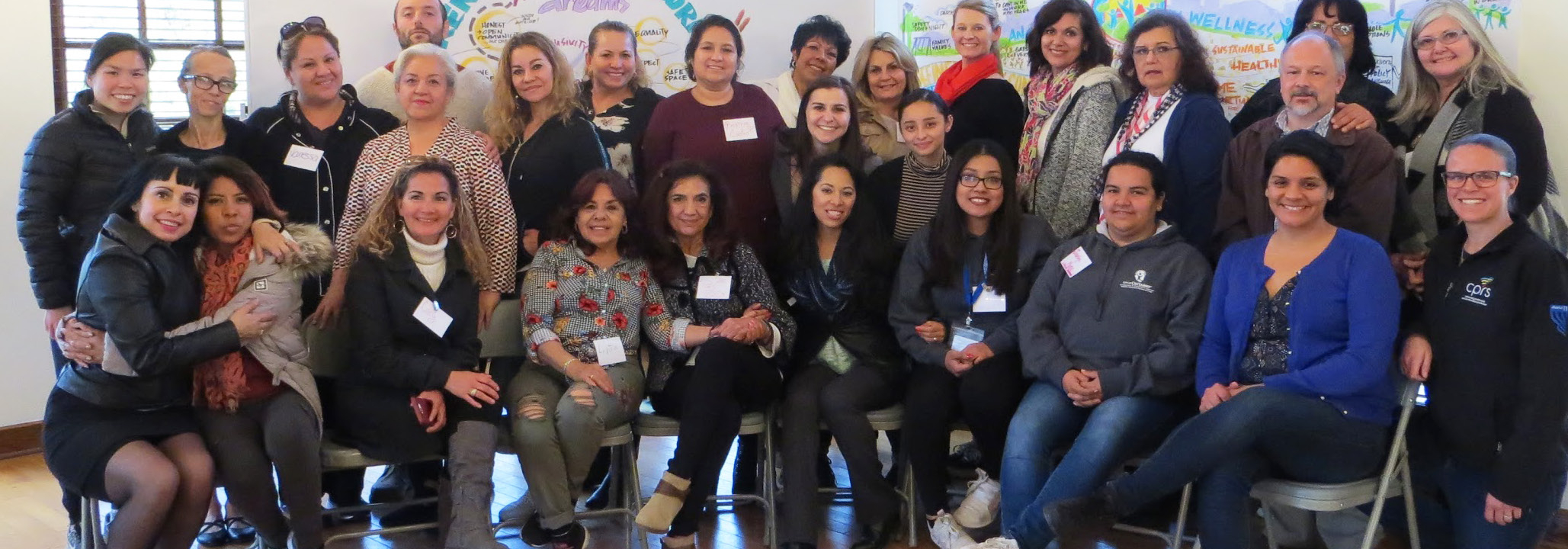
Resident leaders and other community-based partners attending a Healthy Ontario Collaborative retreat in 2019 to set goals for planning efforts in Ontario. Photo credit: City of Ontario