
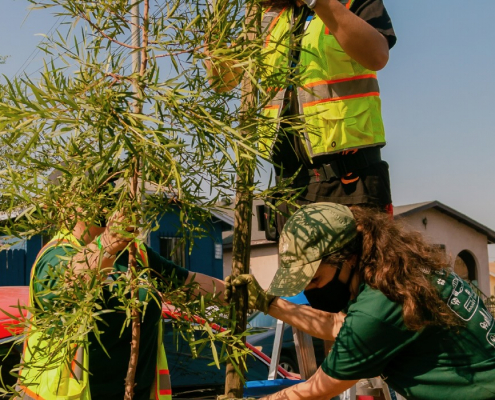


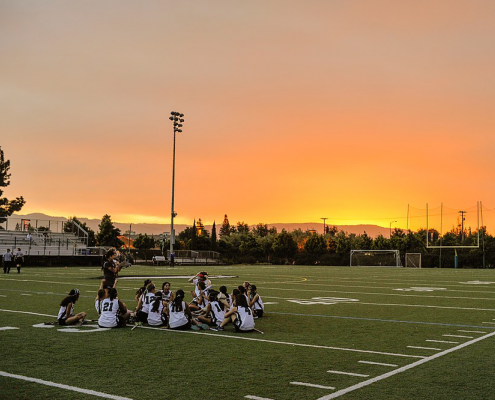
 Harker School Staff Photographer / Wikimedia Commons
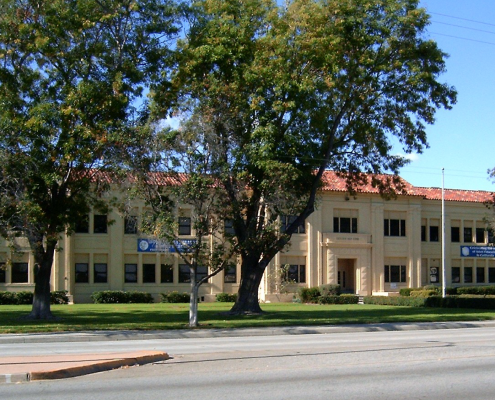 monstersforsale / Flickr
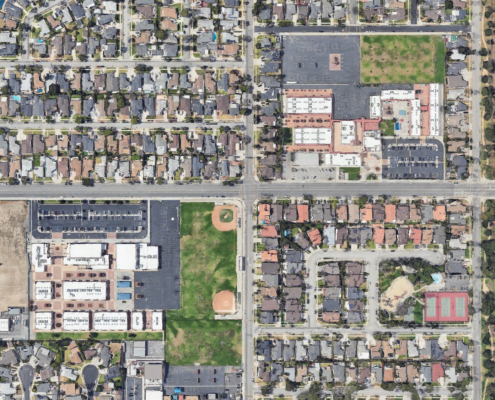 Source: Google Earth
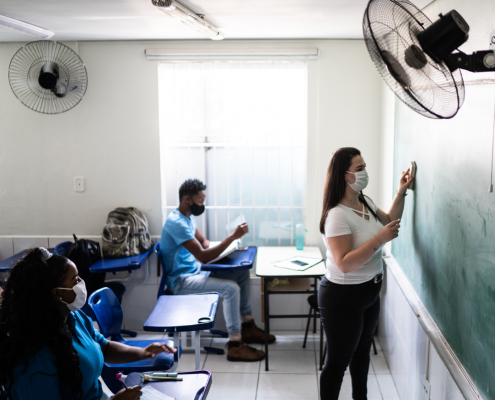 FG Trade / iStock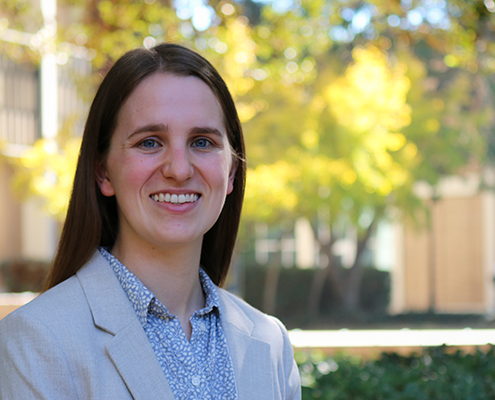
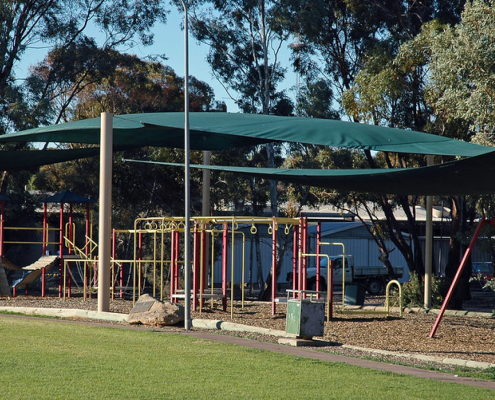 James St. John / Flickr
Accessibility – Contact us for remediation requests.
The UCLA Luskin Center for Innovation acknowledges the Gabrielino/Tongva peoples as the traditional land caretakers of Tovaangar (the Los Angeles basin and So. Channel Islands). As a land grant institution, we pay our respects to the Honuukvetam (Ancestors), ‘Ahiihirom (Elders) and ‘eyoohiinkem (our relatives/relations) past, present and emerging.
3323 Public Affairs Building, Box 951656, Los Angeles, CA 90095-1656
Phone: 310-267-5435 | Fax: 310-267-5443
Phone: 310-267-5435 | Fax: 310-267-5443