https://innovation.luskin.ucla.edu/wp-content/uploads/2024/07/web-headers-2024-07.png
0
0
angela wu
https://innovation.luskin.ucla.edu/wp-content/uploads/2024/07/web-headers-2024-07.png
angela wu2023-09-01 14:54:462026-04-16 22:09:58Evaluating the Impact of Trees on Residential Thermal Conditions in Los Angeles Using Community Science
https://innovation.luskin.ucla.edu/wp-content/uploads/2024/07/web-headers-2024-07.png
0
0
angela wu
https://innovation.luskin.ucla.edu/wp-content/uploads/2024/07/web-headers-2024-07.png
angela wu2023-08-08 20:58:152026-04-16 22:07:29Reducing Heat Risk for People Experiencing Unsheltered Homelessness
Luskin researcher and partners publish Nature Commentary defining shade deserts and ways to eliminate them
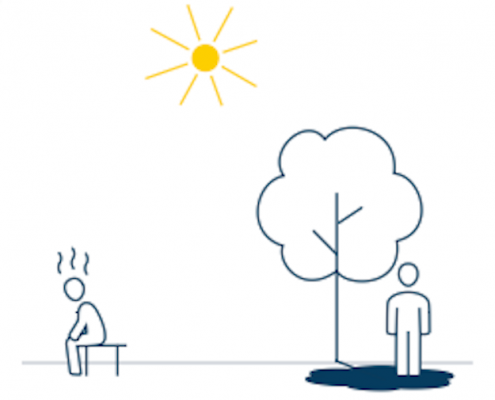
Shade is an essential solution to reduce health disparities exacerbated by extreme heat

Link: A Model for Community-Driven Park Planning
Facilitating Robust Engagement in Underserved Areas of Los Angeles County

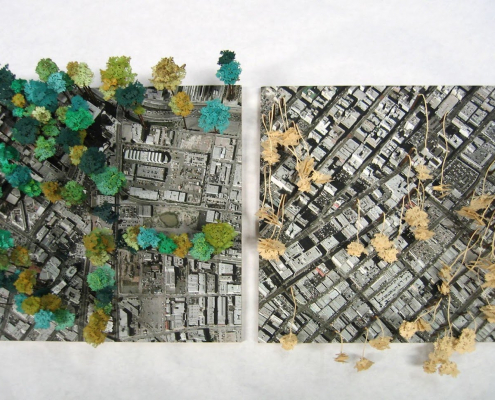
Shade Is an Essential Solution for Hotter Cities
One of the most effective ways to keep people cool is often neglected in urban planning. Cities must work to provide cover and reverse the ‘shade deserts’ common in low-income communities.

UCLA research reveals successful model to build and renovate multibenefit parks in underserved communities
The Link initiative piloted in Los Angeles County demonstrates value of collaborative, community-driven parks building model

Site Design and Human Heat Burden in Pacoima, California
A Case Study in Pacoima, California
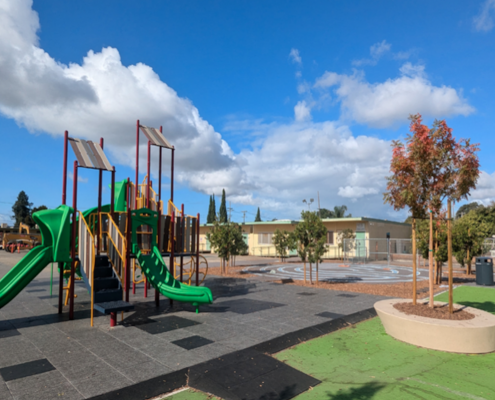
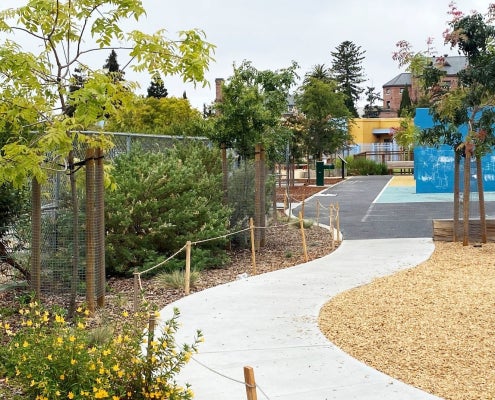
Brian Shamblen / FlickrProtecting Californians with Heat-Resilient Schools
Guidance for an Effective State Strategy
https://innovation.luskin.ucla.edu/wp-content/uploads/2024/07/web-headers-2024-07.png
0
0
angela wu
https://innovation.luskin.ucla.edu/wp-content/uploads/2024/07/web-headers-2024-07.png
angela wu2023-02-07 16:37:242026-04-16 20:47:55Contributions of Roads To Surface Temperature: Evidence From Southern California
2022 Impact Report
Actionable Research for a Sustainable Future