Researchers: Doug Arseneault and Gregory Pierce
This report highlights equity-oriented micromobility programs that provide access to shared bicycles and scooters in five US cities. Drawing from interviews, the report offers pioneering models and actionable steps for government agencies, micromobility providers, and community-based organizations to expand access and affordability among low-income and black, indigenous, and people of color travelers and improve infrastructure in their communities.
(2021 report)
Researchers: James Di Filippo, Bo Liu, and J.R. DeShazo
California cannot achieve its goal of transitioning every vehicle to zero-emissions technologies — which is considered essential to meeting climate and clean air goals — without proactively creating policies that make clean transportation options truly accessible and practical for priority communities.
In this report, we assess California’s opportunity to strengthen the equity focus by:
- Reforming zero-emission passenger vehicle adoption policies, including access to charging;
- Investing in place-based access to active transportation, shared e-mobility, and e-transit; and
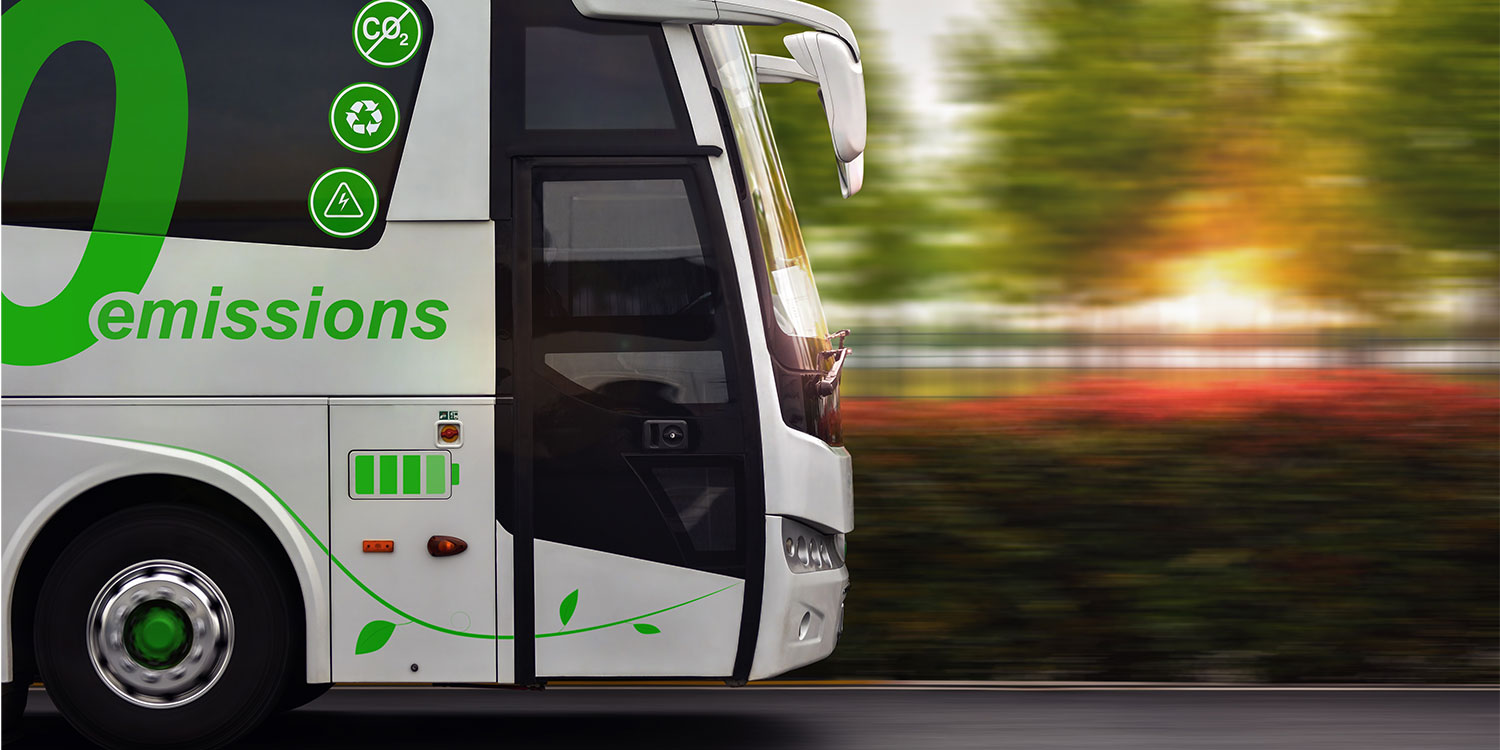
- Leveraging the zero-emission transition in public and private fleets containing medium- and heavy-duty trucks and buses.
This report was produced by LCI in collaboration with the Los Angeles Business Council and a diverse working group of public, private, and nonprofit leaders. Additional funding was provided by the California Strategic Growth Council and the ClimateWorks Foundation.
(2019 analysis part of the Transportation Electrification Blueprint for the County of L.A.)
Researchers: James Di Filippo, Bo Liu, and J.R. DeShazo
Maximizing public benefits of transportation electrification, as well as managing grid impacts (both positive and negative) requires careful infrastructure planning. Researchers from LCI collaborated with Los Angeles County Energy and Environmental Services and others to produce the County of Los Angeles Transportation Electrification Blueprint. The blueprint is focused on infrastructure planning to support the charging of electric vehicles, and the potential impacts that widespread transportation electrification will have on electrical distribution infrastructure in LA County.
LCI researchers contributed to the development of the blueprint by estimating the energy demands of: 1) battery electric transit buses, 2) battery electric heavy-duty drayage (port) trucks, and 3) electric commuter vehicles at workplaces, in order to meet goals established at a state, regional, and local level. The California Energy Commission supported this blueprint project.
(2019 report)
Researchers: James Di Filippo, Colleen Callahan, and Naseem Golestani
Heavy-duty diesel truck traffic is the main source of toxic diesel particulate matter pollution and a major contributor to smog precursor and greenhouse gas emissions in California. Zero-emission alternatives to diesels, particularly battery electric trucks, are becoming commercially available.
This report examines both the need for and current state of zero-emission trucks and the barriers and opportunities involved in moving toward zero-emission drayage trucking for the adjacent Ports of Los Angeles and Long Beach. Referred to as a the San Pedro Ports, they are the first and second largest ports by container volume in the U.S. The report then proposes a set of short-and-medium-term policies and strategies that address main barriers and opportunities, with a focus on the San Pedro Bay Ports. The mayors of Long Beach and Los Angeles signed a joint executive directive confirming commitment to transition to a zero-emission freight transportation system. Their stated goal is: “zero emissions for drayage trucks serving the ports by 2035.” The authors describe why an accelerated transition in the 2020s could help achieve this goal while providing other benefits.
The report both incorporates findings from an earlier LCI supported study, called Charging Infrastructure Strategies: Maximizing the Deployment of Electric Drayage Trucks in Southern California, and serve as a foundation for future analyses that further support the transition to cleaner drayage trucking.
(2017 article)
Authors: Gregory Pierce and J.R. DeShazo
Vehicle innovation that supports the co-equal goals of efficiency, equity, and environmental quality requires coordination across federal, state, and local policy. Without coherence in regulatory intent and implementation from federal to local government agencies, self-driving cars will repeat many of the shortcomings of the two largest surface transportation technology innovations in the last century: gasoline-powered cars and clean vehicles. This article by LCI scholars provides policy recommendations to prepare for the inevitable future of autonomous vehicles.