December 16, 2025
Phase 1 of statewide wastewater assessment sets foundation for equitable solutions
New data and methods will guide the identification of inadequate and at-risk systems

December 16, 2025
New data and methods will guide the identification of inadequate and at-risk systems
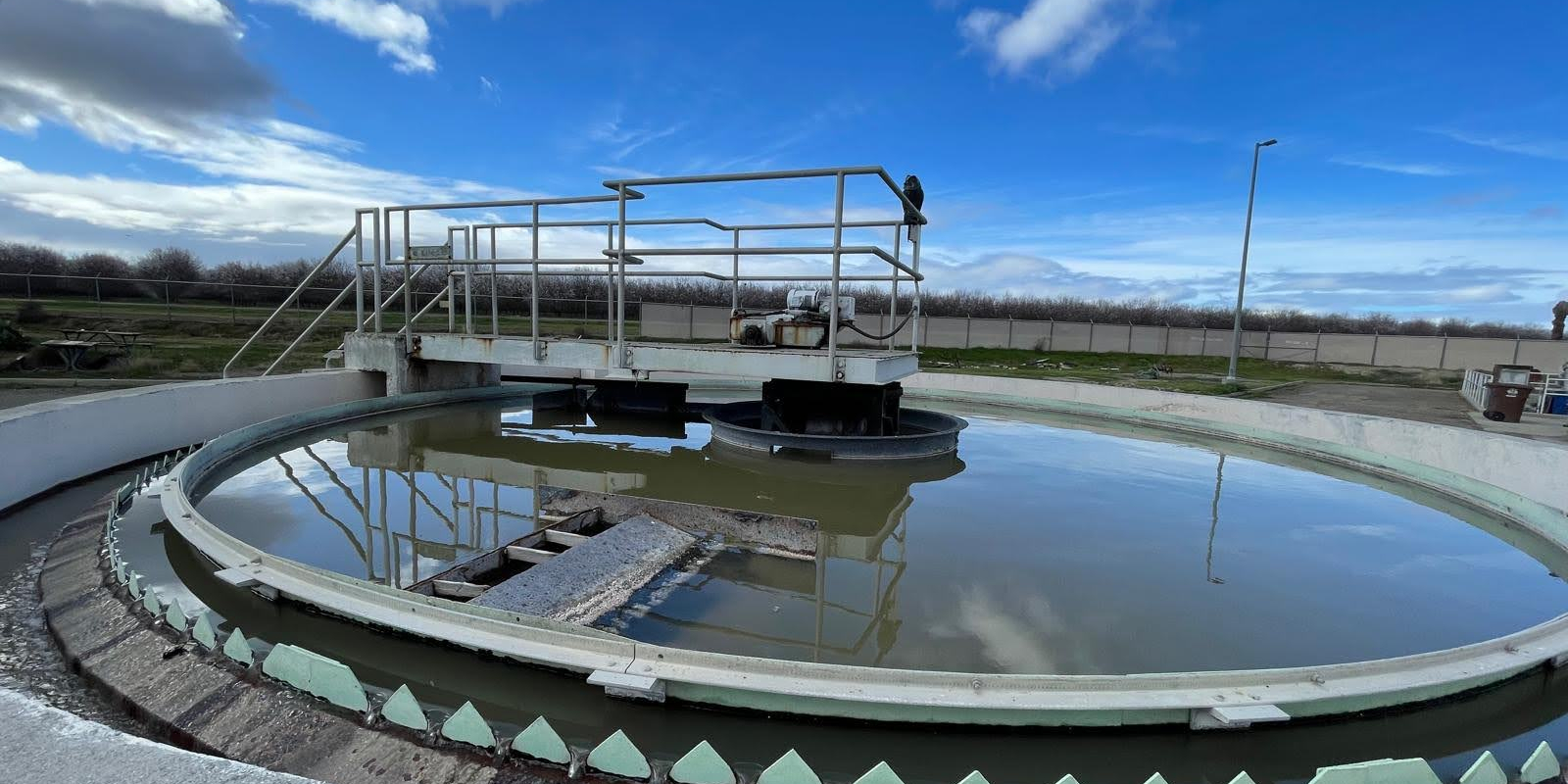
Credit: Sam Sandoval at UC Agriculture and Natural Resources
By Ariana Hernandez, Grace Harrison, and Greg Pierce
California has reached a major milestone with the completion of Phase 1 of the statewide Wastewater Needs Assessment (WWNA), a California Water Resources Control Board-sponsored effort to assess the condition of wastewater systems across the state. Created by the Board and led by UCLA’s Luskin Center for Innovation and partners, the effort established a first-ever comprehensive baseline evaluation of wastewater infrastructure performance, risks, and unmet needs—creating a foundation for more equitable sanitation policy and investment across the state.
The WWNA was conceived to help answer a simple yet critical question: how well are California’s thousands of wastewater systems serving people and communities, especially disadvantaged and underserved areas? Phase 1 establishes the data and analytical methods needed to answer that question, setting the stage for statewide evaluation and action in Phase 2 and beyond.
Phase 1 established methodologies, developed a survey, collected initial data, assessed data gaps, and identified potential approaches for addressing them. It also defined key measures of risk and inadequacy for sewage collection systems, sewage treatment plants, and onsite wastewater systems. In addition, Phase 1 created methods to model potential solutions, estimate associated costs, and identify potential funding sources.

Phase 1 gives us the data, definitions, and analytical tools we need to identify inadequate and at-risk systems across the state. These methods will ensure that Phase 2 findings are transparent, defensible, and equitable.
UCLA’s Luskin Center for Innovation serves as the lead research partner for the WWNA, working closely with the Office of Water Programs at Sacramento State, the California Institute for Water Resources within the University of California, Agriculture and Natural Resources (UC ANR), and the University of Massachusetts Amherst. Each partner contributes specialized expertise to ensure the assessment reflects conditions across California’s diverse wastewater systems.
Phase 1 delivered three key advancements that will shape the next phase of the assessment:
Looking Ahead
Phase 1 marks a turning point in the statewide assessment, shifting the focus from building methods to applying them at scale. With Phase 1 complete, the project team is now positioned to operationalize these methods at a statewide scale. Phase 2, which began in July 2025, will apply these methods to evaluate all the systems, identify inadequate and at-risk facilities, model potential solutions, including for communities that are not connected to the sewer system, and estimate associated costs and funding needs. It will also include a roadmap for further needs assessment extending to 2030 and beyond.
The insights from Phase 1 will position California to make more informed, equitable, and cost-effective sanitation investments in the years ahead. Learn more about the findings and explore our ongoing research on California’s wastewater needs.
Get our latest research in your inbox.
 Building resilient utilities: UCLA issues report on key water and power infrastructure needs
Smart meters and undergrounding power lines are among promising innovations in addressing climate and fire risks.
 Who manages your water in Southern California and why it matters
New UCLA Atlas reveals fragmented water governance has unequal impacts on affordability, quality and resilience.
 UCLA to help inform California’s residential water use policy implementation
A multi-university team evaluates impacts on water supply, wastewater, recycled water, and affordability.
