June 4, 2026
ShadeLA offers a playbook to help city meet shade goals
New policy briefs outline how to streamline processes to protect residents from dangerous heat

June 4, 2026
New policy briefs outline how to streamline processes to protect residents from dangerous heat
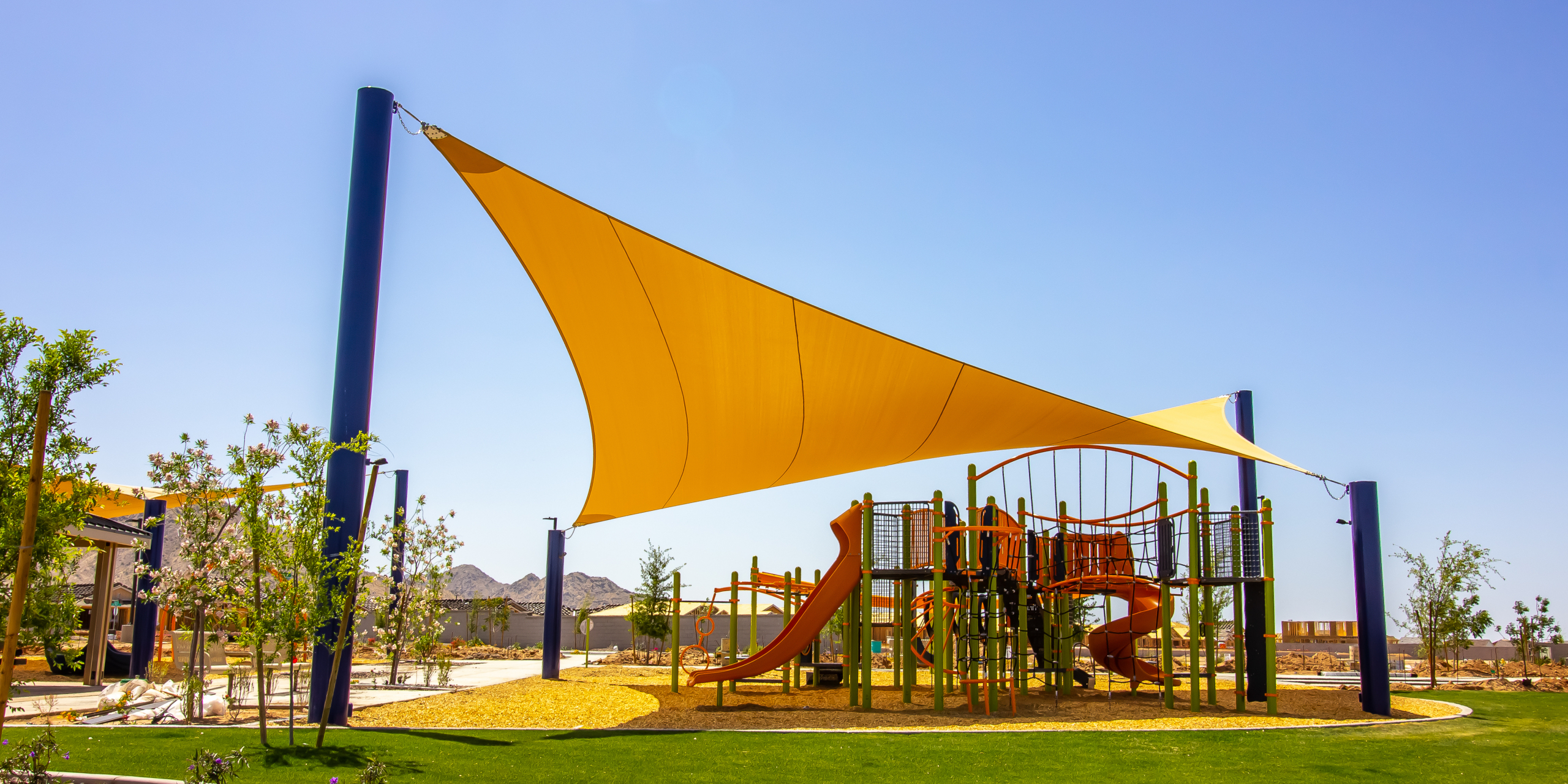
Covered jungle gym, Credit: istock / Thomas Bullock
The City of Los Angeles’ Climate Action Plan calls for at least 15 percent tree canopy in every neighborhood, along with more shade structures ahead of the 2028 Olympic and Paralympic Games. But with just two years to go, more than 40 percent of neighborhoods fall short of that goal.
To increase shade at scale, LA must modernize its policies, permitting, and implementation processes that currently limit progress. That’s where ShadeLA — co-organized by USC Dornsife Public Exchange and UCLA Luskin Center for Innovation, with 30+ community partners — is stepping up to the plate, with two new policy briefs to help the city do just that.

These policy briefs will help local government make good on their commitment to rolling out more shade, and in so doing, protect our most heat-vulnerable neighbors. This includes low-income communities of color and those who spend more time outdoors, including unhoused people, outdoor workers, and those who exercise outdoors.
The need for policy reforms comes at a critical moment. Extreme heat is already the deadliest weather-related hazard in LA, and climate change is making dangerous heat days more frequent. But shade can drop the “feels-like” temperature by up to 70°F. It’s a slam dunk: shade is a simple, smart solution for keeping communities cool against rising temperatures.
As Los Angeles prepares to welcome the world for the FIFA World Cup, Super Bowl, and Olympic and Paralympic Games, the city and other local governments have an opportunity to lead reforms and unlock collaboration to result in shade at scale. Proving that shade is a team sport, these briefs outline how local government and community partners can work together to more effectively expand shade infrastructure and equitably protect residents and visitors alike.
Learn more about ShadeLA.
Get our latest research in your inbox.
 What does it mean to be too hot, a TEDxUCLA talk
V. Kelly Turner explores how extreme heat is reshaping everyday life
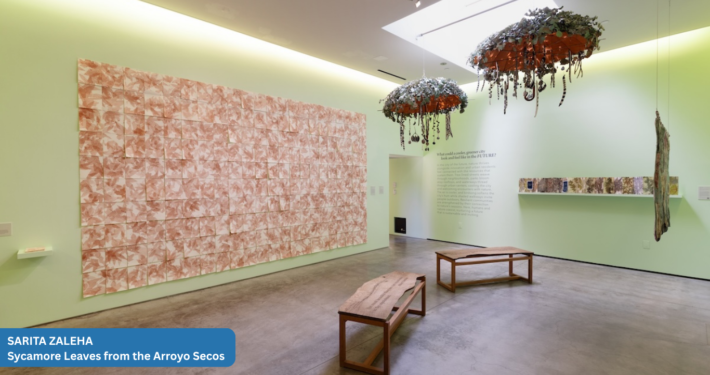 Descanso Gardens
A message of shade and hope
Descanso Gardens
A message of shade and hope
New research shows overwhelmingly positive outlook on climate action among visitors to tree- and shade-themed art exhibition
 @SkyLovesAdventures
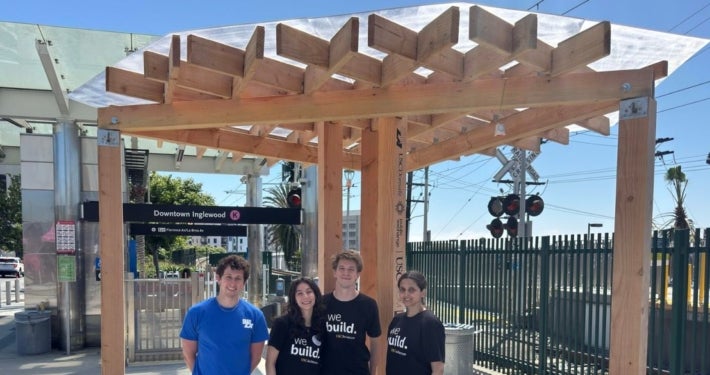
ShadeLA advances lasting shade solutions for Los Angeles
@SkyLovesAdventures
ShadeLA advances lasting shade solutions for Los Angeles
In its first year, the coalition advanced research, partnerships and policies for the World Cup and beyond

 Climate communities are healthy communities