Why Focus on Shade in L.A.?
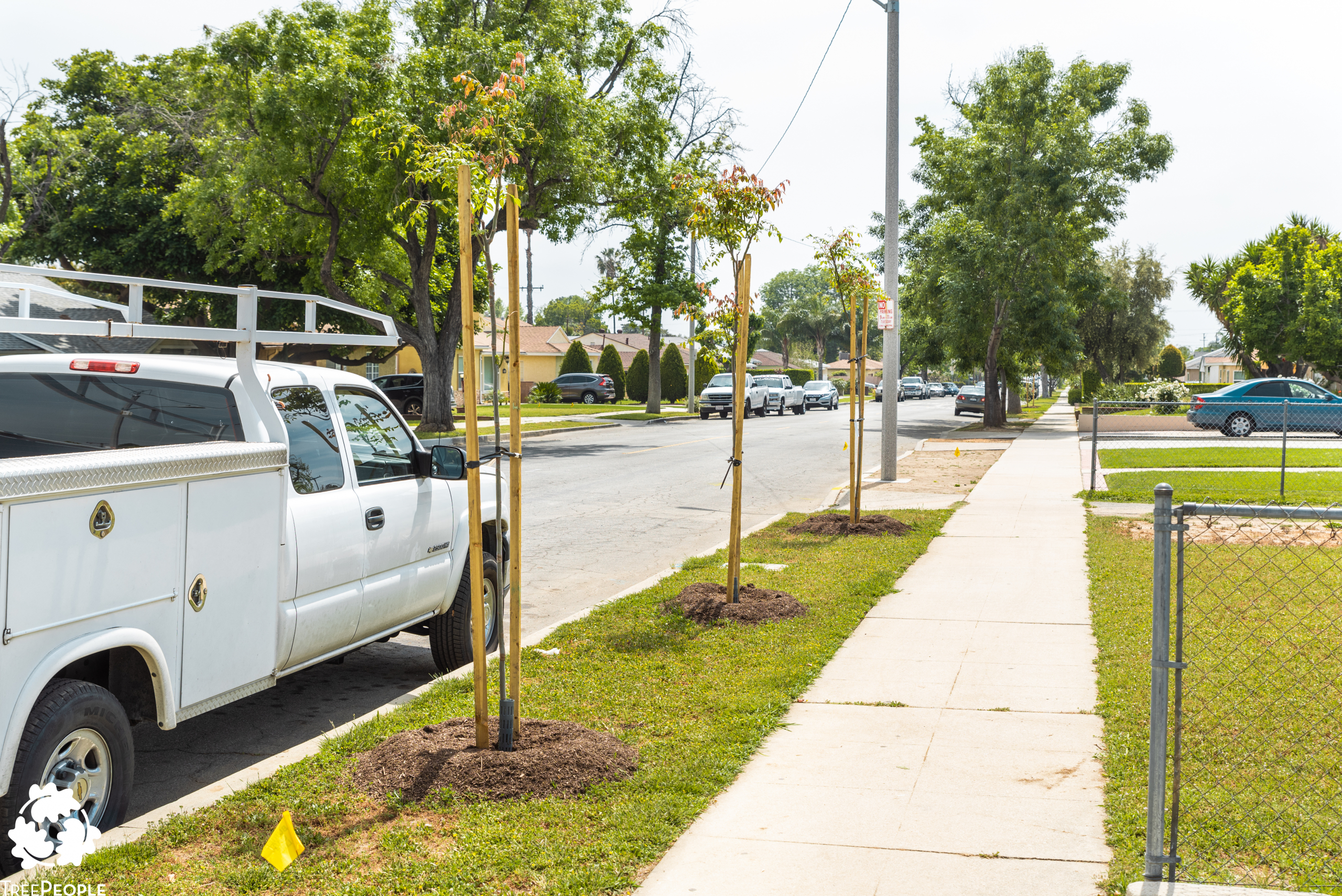
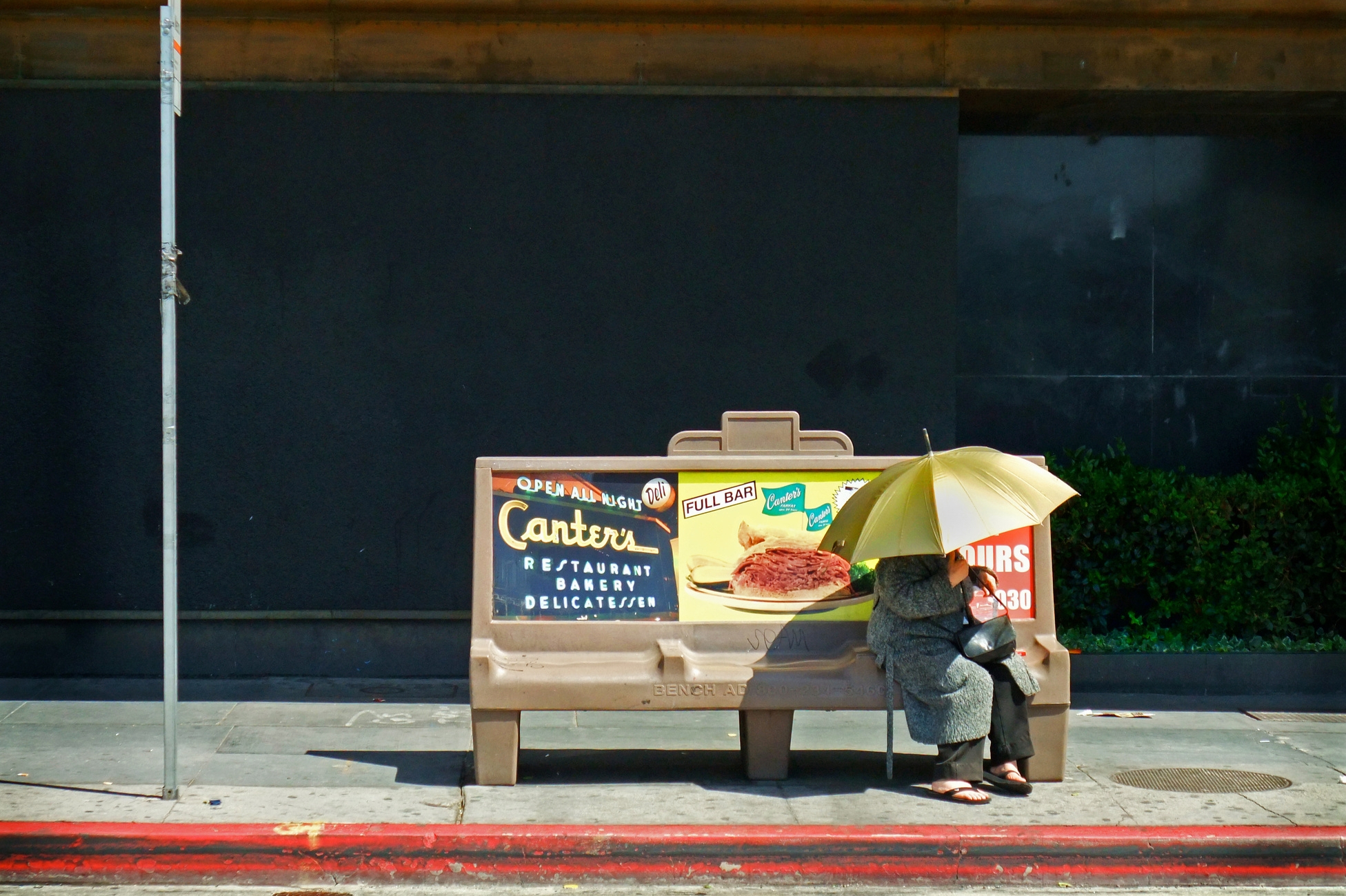
Heat is the largest weather-related killer facing Los Angeles, especially its vulnerable populations. A key solution: shade. It is the most effective, low-cost way to reduce heat risk when people are outdoors. Whether from a tree, canopy, awning, or bus shelter, shaded areas can drop the “feels-like” temperature by 35 to 70 degrees Fahrenheit (approximately 20 to 40 degrees Celsius). It is simple, scalable, and can be integrated into everyday spaces where people live, learn, work, and play.
But a lot of neighborhoods in Los Angeles lack shade. Our national Shade Map underscores the problem: Los Angeles is less shady than the average U.S. city, and with big disparities. While some neighborhoods have shade coverage of 50% or even 75% at noon, most of L.A.’s neighborhoods have less than 25% shade at noon, which can mean exposing millions of Angelenos to dangerous heat.
What is ShadeLA?
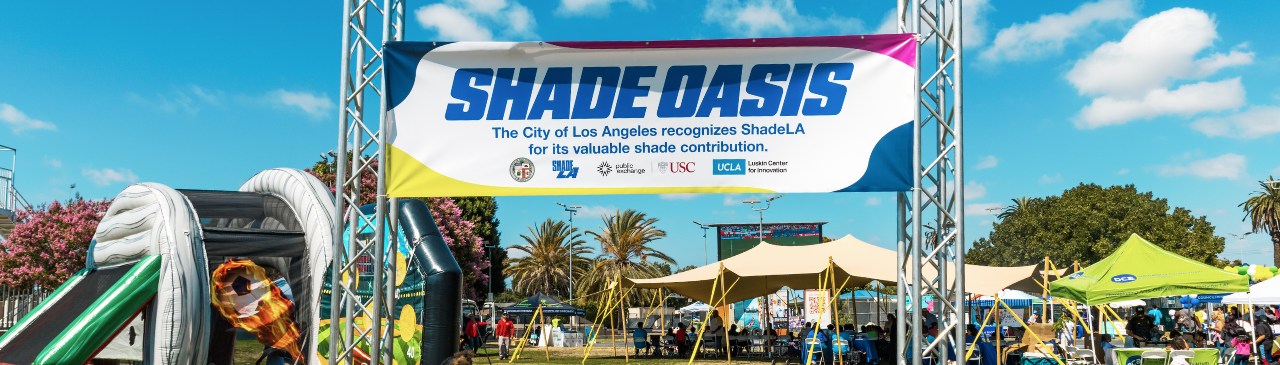
By partnering with USC Dornsife Public Exchange and more than 30 civic partners, the UCLA Luskin Center for Innovation aims to expand and protect the urban tree canopy and shade infrastructure, building heat resilience for Angelenos. The ShadeLA movement is uniting nonprofit organizations, municipal jurisdictions, school districts, and transit agencies across nearly 4,000 square miles into one coordinated, shaded ecosystem. We are leveraging the attention and investment around the FIFA World Cup, Super Bowl LXI, and the 2028 Olympic and Paralympic Games to expand access to shade in the areas that need it most.
ShadeLA is structured around four goals, each rooted in research, policy, and community engagement:
- Expand shade
- Preserve and maintain shade
- Guide and track progress
- Inform and mobilize

 Descanso Gardens
 @SkyLovesAdventures